


The deputy minister of foreign affairs of Kazakhstan explains the country’s developing relationship with the EU, its partnerships with China, and its plans to diversify its economic output.
Latest articles from View from Davos
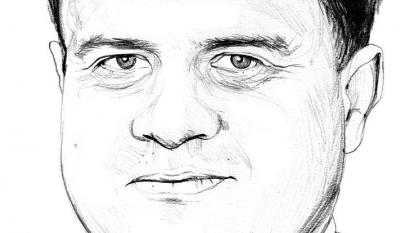

Ott Vatter: how Estonia's e-Residency is leading the inequality charge
January 2, 2020The managing director of Estonia’s e-Residency programme explains how the country's digital identity policy is positioning it as a leader in the Fourth Industrial Revolution.
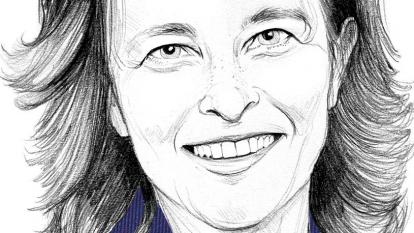
Sarah Bloom Raskin: the US's focus is misplaced
January 2, 2020The proliferation of US sanctions is not helping build resilience, while climate change risk is being ignored by policy-makers, former deputy Treasury secretary Sarah Bloom Raskin tells The Banker.
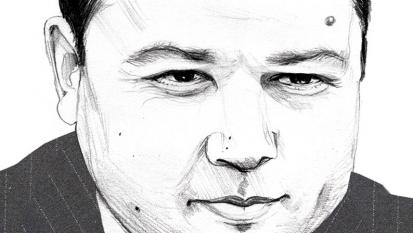
Odilbek Isakov: privatisation drive will transform Uzbekistan
January 2, 2020The deputy finance minister of Uzbekistan speaks to The Banker about how the country is undertaking a wide range of banking and business reforms.
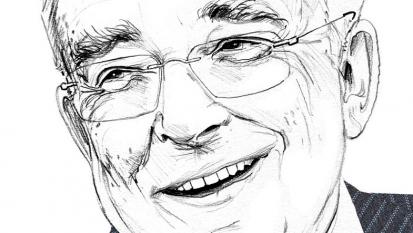
Mugur Isărescu: three decades of finding the right balance in Romania
January 2, 2020The world’s longest serving central bank governor looks back on the aftermath of Romania’s 1989 revolution and the 30 years since. He talks to The Banker about his experiences.
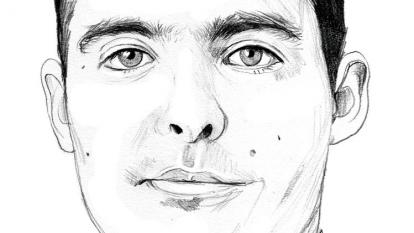
Robert Mogielnicki: the grim outlook for Iran’s economy
January 2, 2020Stagflation and high unemployment have led Iran to raise fuel prices – resulting in violent protests. But while US sanctions are not helping, Iran must tackle serious economic reforms, says the resident scholar of the Arab Gulf States Institute.
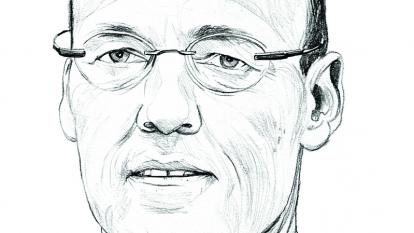
Klaas Knot: a call for European fiscal stabilisation
January 1, 2020Euro area inflation remains stubbornly low despite attempts to boost it, such as monetary easing. There are, however, measures central banks can take to change this, writes the Netherlands' central bank governor.
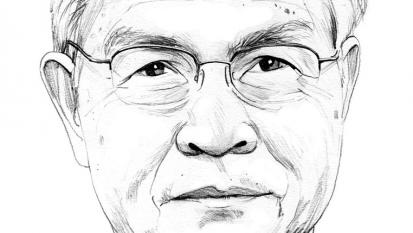
Chin-Long Yang: How to rise to new monetary policy challenges
January 2, 2019As the pace of change in banking and finance accelerates with the implementation of new technology, it is the responsibility of central banks and monetary authorities to set the agenda for the future, writes Chin-Long Yang, Taiwan's central bank governor.

Bambang Brodjonegor: Indonesia has eyes fixed on poverty reduction
January 2, 2019Indonesia is contending with natural disasters, investors de-risking and general election uncertainty. But the government will not shrink from its aim of poverty reduction, minister for national development planning Bambang Brodjonegor tells Adrienne Klasa.
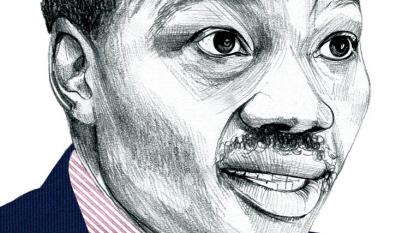
Rogério Zandamela: Restructuring Mozambique for a post-debt crisis revival
January 2, 2019Rogério Zandamela, a former senior IMF official and now the governor of Mozambique’s central bank, talks to Peter Wise about repairing the damage inflicted by the country's debt crisis, upgrading its banking regulation and the prospects for an economy about to tap huge natural gas resources.