


While some are playing down the continuance of the commodities supercycle, others say pressure on prices and a shortage of resources are here to stay, with the knock-on impact on the growth rates of the developed and developing worlds.
The commodity supercycle


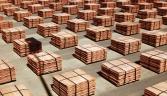
China's rising taste for copper as collateral
June 1, 2011Copper’s role as an indicator of the pace of China’s industrialisation. But how worried should the market be about the build up of copper stocks in China’s bonded warehouses?

The wider impact of Japan's nuclear crisis
June 1, 2011The earthquake in Japan in March inevitably forced short-term changes in the country’s energy consumption, but the long-term implications for energy and other commodities are far-reaching.
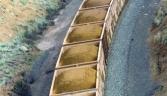
Iron ore risk leaves steel industry looking to the futures
June 1, 2011The past couple of years have seen the pricing mechanism for iron ore changed for the first time in decades, and new contracts – such as iron ore futures – launched. It is now possible to assess the effectiveness of these changes.
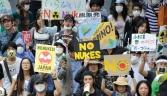
The nuclear policy debate after Fukushima
June 1, 2011The accident at Japan's Fukushima nuclear plant in the aftermath of a devastating earthquake and tsunami has led many countries to slow down or cease their nuclear energy programmes.