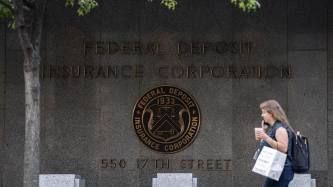
Radical new proposals to shake up bank takeovers in the US are testing bankers’ patience
UK regulator might ‘incentivise’ data sharing between Big Tech and financial services firms
The Prudential Regulation Authority has presented the results of a review on banks' exposure to private equity
The scheme, first proposed in 2015, has long been stalled because of concerns from some states about sharing risk
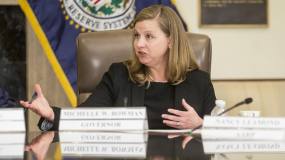
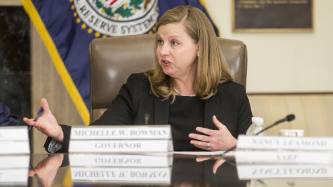
Bank regulators need to think hard about consolidation rules post-SVB, says Michelle Bowman
Finance experts say world economy picture is getting more complicated
While aggregate bank exposure to private credit is low, some individual lenders may have concentrated risk
Partnership aims to improve cash visibility, forecasting and real-time decision making for CFOs and treasurers
Biggest criticism is the decision not to pursue greater capital requirements
The FDIC aims to increase transparency around its approach to resolution
IASB will require income statement adjustments but has yet to clarify treatment of sustainable investments
Blockchain-based digital payment network’s announcement is ‘overdue’
Many see the lending facilities as only for banks in trouble
The project builds on the unified ledger concept proposed by the BIS
Securitisation could free up capital for lending to the real economy, but increase links to NBFIs
The two regulators will invite views from interested parties
The European parliament will soon vote on amendments to incorporate the new rules into EU law
GoCardless receives approval to extend open banking services to public entities
Retail gold token launched in Hong Kong tests the waters for more digital versions of real-world assets
The Financial Sector Conduct Authority commissioner addresses the challenges facing the country’s financial sector
New requirements include public hearings and a three-year ban on post-merger branch closures
Judges throw out appeal of former traders to clear names for Libor and Euribor manipulation
A lack of data is obscuring the true systemic danger
Last year the UK regulator removed more than 10,000 misleading adverts
The FCA is in the final year of its three-year strategy
Corporate treasurers are concerned about counterparty risk management after 2023’s banking turmoil
The Basel Committee on Banking Supervision wants to change how it judges the largest global banks’ systemic importance