Government debt is projected to remain high as countries head to the polls
New economic and financial policies could affect relationship with international investors
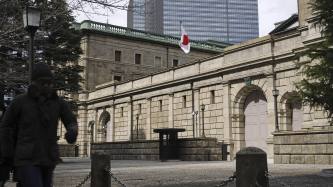
Experts warn of market instability risks as BoJ brings an end to years of loose monetary policy
Paraguay’s economy and finance minister shares his vision for the country’s future
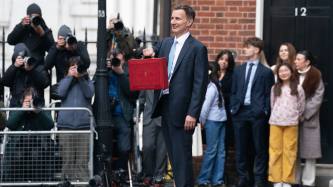
More money for green industries, but little relief for SMEs and the poorest in UK chancellor Jeremy Hunt’s plans
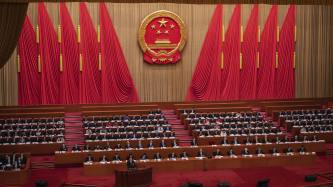
China’s reforms look to boost investment, spur domestic consumption and attract foreign investment
After a period of growth, consumer spending in Asia is set to temper in 2024 unless central banks intervene, says S&P
The government is pursuing the painful fiscal adjustment it promised, but is it sustainable?
After Alexei Navalny’s death, Washington is reiterating its threat to target foreign banks over ties to Russia’s war effort
Economist Tomasz Wieladek examines the data
As investment and merger control screening regimes surge, investors will need to stand ready to respond to shifting regulatory requirements and to capitalise on opportunities.
The imminent presidential elections will decide which of three paths will be taken to fix the country’s ailing economy. The IMF continues — for now — to tolerate its main debtor.
China continues to suffer under the weight of a collapsing real estate market, raising the alarm for a potential domino effect across the wider economy.
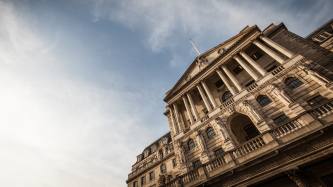
Following the Bank of England’s most recent interest rate hike, how far can we expect rates to rise, and how long will they stay there?
The financial system has proved remarkably resilient, so far, to rising interest rates. But cracks are starting to appear as these filter through to borrowers and credit losses start to mount.
After being caught out seven years ago, Nigerian lenders are better prepared to absorb the impact of the naira’s recent devaluation.
While headline economic growth figures appear to indicate a country enjoying a return to health, issues beneath the surface are weighing down market sentiment.
High inflation, rising interest rates and low office space utilisation rates following the Covid-19 pandemic have dented the outlook for the commercial real estate sector.
The UK needs to focus on supporting companies in a range of diverse sectors.
Politicians are coming under fire for the country’s lax approach to fighting the financing of crime.