Mortgage market prime for a comeback
Burgeoning domestic economy set to return country to growth this year as oil revenues lag
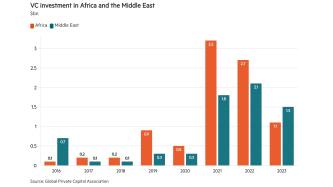
Regions recorded their third-highest year for VC investments since 2016, despite a global slowdown
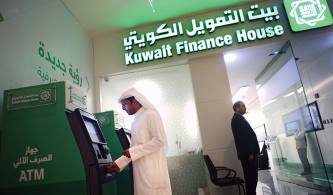
Lenders benefit from infrastructure project work at home and abroad while sharpening digital offerings
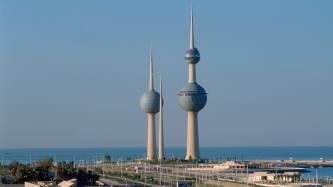
After a brief respite in 2022, Kuwait’s economy once again slips back into structural deficit
Bahrain’s minister of industry and commerce discusses how sustainability is being woven into the country’s industrial development strategy
Higher interest rates have boosted profitability, even as a competitive market weighs on net interest margins
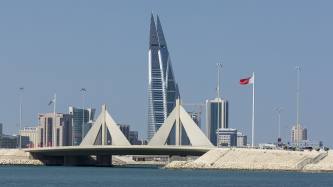
The smallest economy in the Gulf is looking to build on closer US ties and a steady rise in FDI
China’s growing use of currency swap agreements — most recently with Saudi Arabia — are a key part of its strategy to lessen the global influence of the US dollar.
Ras Al Khaimah’s new Digital Asset Oasis is focusing on Web3 and ‘unregulated’ services to stand out in a crowded national field.
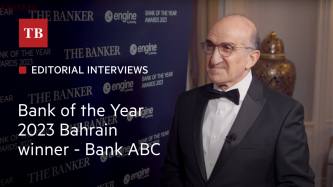
The group CEO of Bank ABC talks about the bank’s plans to expand and develop its digital offering for its wholesale customers.
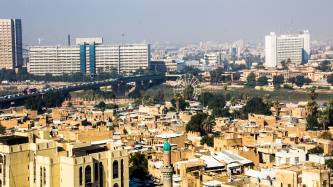
Now that Iraq has joined the European Bank for Reconstruction and Development, can it use development bank money and know-how to build a ‘greener’ economy?
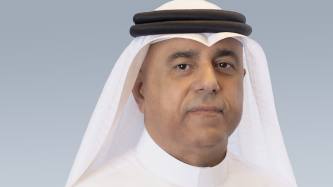
ADIB’s group CEO Nasser Al-Awadhi talks about the bank’s digital strategy, the increasing appeal of sharia-compliant banking to non-Muslims, and the overlap between Islamic and sustainable finance.
Lenders in the UAE are increasingly keen to burnish their green credentials ahead of COP28, which begins next month.
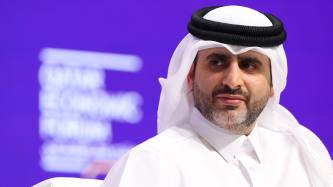
HE Sheikh Bandar Bin Mohammed Bin Saoud Al-Thani, governor of the Qatar Central Bank, talks about the country’s fintech and CBDC strategies and how the bank is nurturing the growth of Islamic finance.
Sovereign wealth funds' integral role in the region's domestic economic transformation necessitates higher for longer oil prices.
The GCC’s most diversified economy is set to outperform its neighbours amid this year’s fluctuating oil prices.
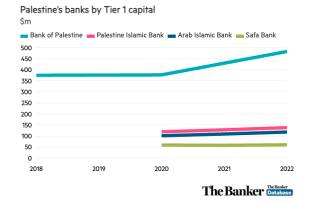
The sector was described as stable by the IMF in September, but the ongoing conflict with Israel is set to change the outlook.
The World Bank’s vice-president for the MENA region talks to Middle East and Africa editor John Everington.
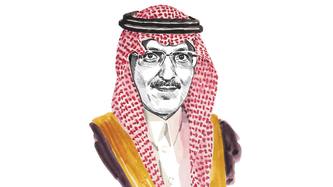
In an increasingly fragmented world, collaboration on solving the world’s most pressing challenges is an urgent priority, writes Saudi Arabia’s finance minister.